Tips for Your First Craft Fair
- OddlyWildHD

- Sep 23, 2025
- 3 min read
As we reflect on our journey with Oddly Wild, it's hard to believe that we started this craft business over seven years ago. The experience has been nothing short of a rollercoaster ride!
Throughout the years, we have participated in numerous fairs and markets, each one offering its own set of challenges and rewards. We've had the pleasure of meeting some incredible designer-makers, engaging with customers, and receiving valuable feedback about our products.
However, the amount of work that goes into preparing for these events is significant. No one truly prepares you for the time and effort required, and at times it felt like we were juggling two full-time jobs!
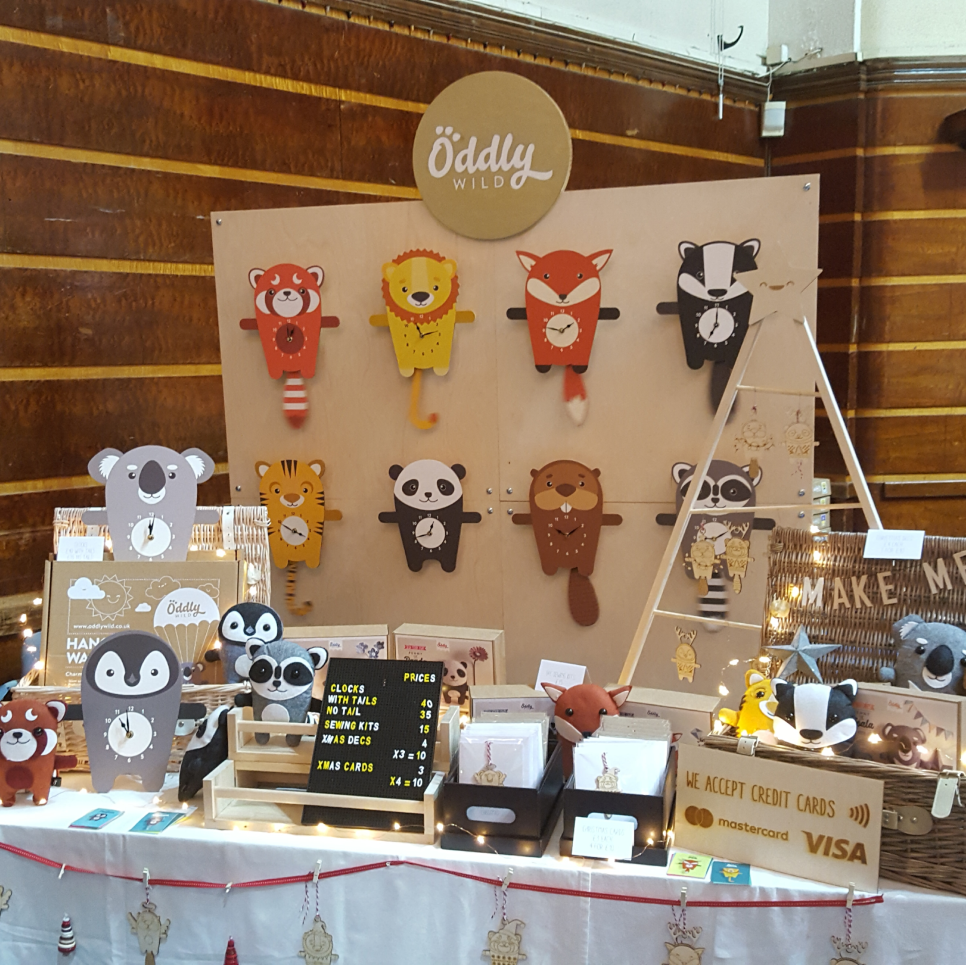


As you can see we have come a long way since our first craft fair setup (first image). Our initial display has undergone significant changes, reflecting our commitment to evolving and refining our visual approach. We have listened to customer feedback and made adjustments along the way, enhancing our presentation to better showcase our products (second image).
Top Tips for Craft Fairs
Here are our top tips based on our extensive experience for anyone looking to take part in their first craft fair:
Visit Fairs
Before launching our business, we made it a point to visit various craft fairs in our local area. This was crucial for understanding the types of products available and gauging foot traffic. There’s nothing worse than setting up a beautiful stall only to find that no one shows up!
Plan Your Stall
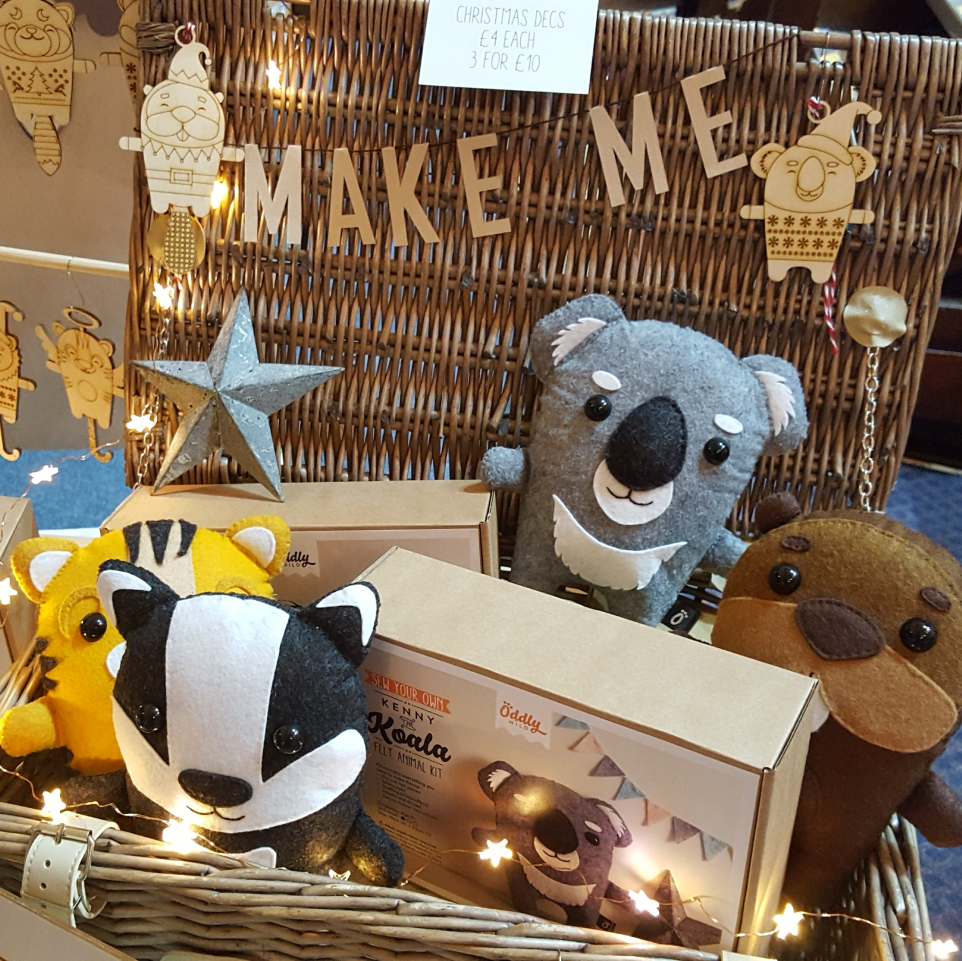
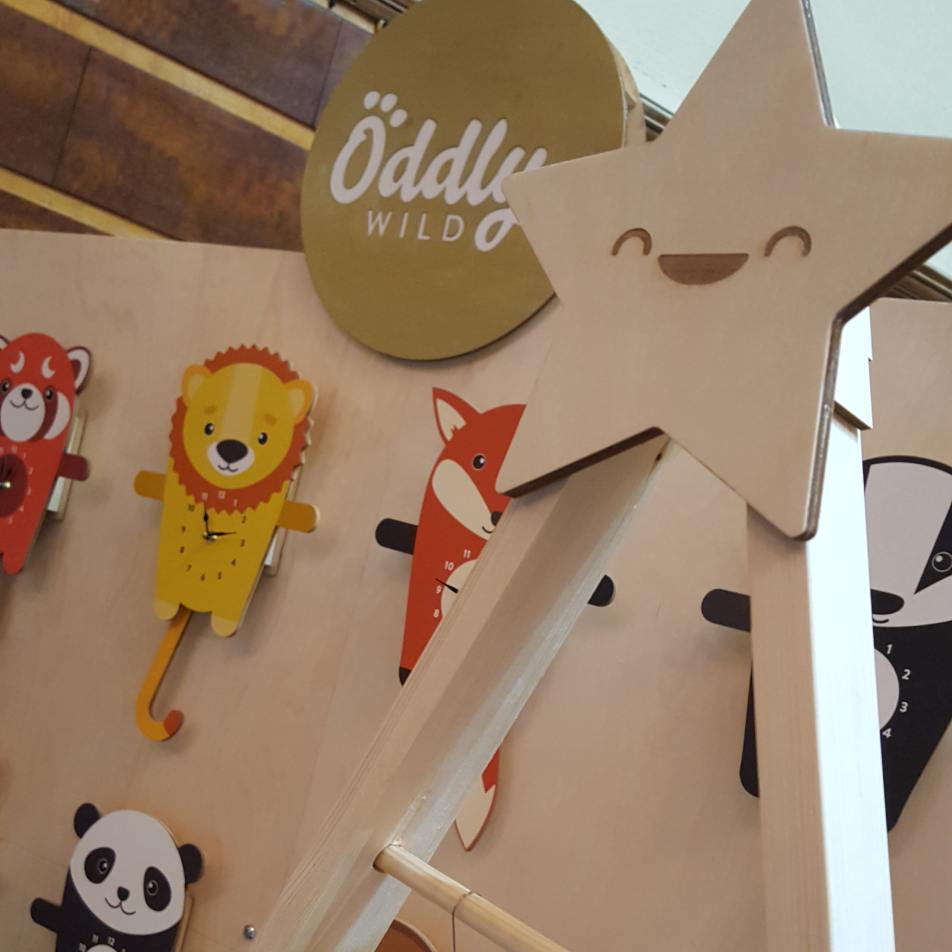
Once you've secured your fair dates, it’s time to start planning your stall layout. We invested many hours over several weeks brainstorming how our stall could look. Our dining room table became a makeshift design studio! We explored countless ideas on Pinterest, sourced a few items, borrowed others, and even got crafty with DIY projects, like creating a wooden frame for our decorations.
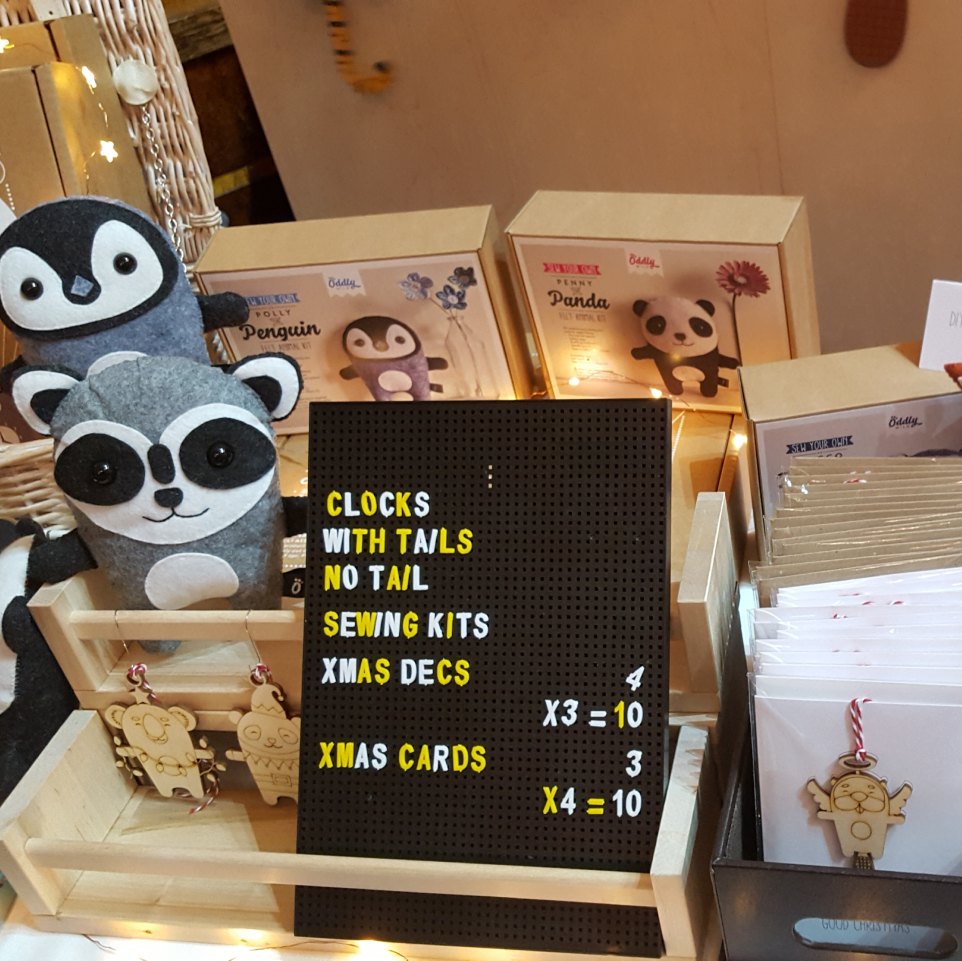
However, you don’t need to break the bank. Simple household items, like a wicker picnic basket or IKEA spice racks, can be incredibly useful.
Make Lists
The amount of work involved in preparing for a fair can be overwhelming, especially if you’re balancing a full-time job. Creating a checklist of tasks is the best way to alleviate some of that pressure. It’s amazing how much better you feel once everything is organized in one place, and crossing items off your list is incredibly satisfying!
Preparation
Being well-prepared is essential. For instance, during our first fair, we discovered the night before that our stall position wasn’t ideal for our setup. It was too late to change it, and we had to scramble on the morning of the event. Since then, we’ve made it a point to communicate clearly with fair organizers about our space requirements.
Engaging with organizers is beneficial; they want the event to succeed just as much as you do. Ensure you gather all your products, props, and any necessary tools the night before, and if possible, pack your car ahead of time. We once forgot a vital piece of our setup, but fortunately, the fair was only a short drive away!
The Big Day
If you can, enlist help from family and friends. Our compact car isn’t the best for transporting large quantities of stock and equipment. We’re lucky to have a supportive family who helped with transportation, setup, and even coffee runs!
Loading and unloading can be time-consuming, so having someone to assist is invaluable. Running the business with my husband has made it a joint venture, providing each other with companionship during long days that can be busy one minute and quiet the next.
Encourage friends and family to visit the fair; seeing familiar faces in the crowd is always comforting!
Network
Fairs are not just about selling; they’re also a fantastic opportunity to connect with other designer-makers. Engaging in conversations with fellow creators has been inspiring, and the tips and advice we've received from those with more experience have been invaluable.
Smile
Being friendly and approachable can make a significant difference. While it can be intimidating, most people are genuinely interested in your products and the story behind them. Sharing your creative process and experiences often leads to positive feedback and connections.
Enjoy Yourself
Above all, remember to enjoy the experience. There’s nothing quite like seeing the joy on people's faces, especially children, when they discover our clocks. Those moments make all the hard work worthwhile and remind us why we do what we do.
Comments